Why Damascus Patterns Never Look the Same Twice
Two billets, same steel, same fold count, and the patterns still come out completely different. Here is what actually decides where the layers land, and why mirrored sets cost more.
We charge for the work a knife actually takes, not for the name on the handle. A Damascus blade takes forty to sixty hours of bench time between the forging and the finish, and that is why it costs what it costs. A powder steel knife skips the folding but still runs a full heat treatment cycle, so it lands close to the same money. Anyone quoting you NZ$300 for a hand-forged blade is either using stock-removal only or has never sat with a 6000-grit stone for three hours.
Every number below is the real number. If a commission needs something unusual, like a 300mm custom gyuto or a matched set with mirrored pattern, we quote it before any deposit changes hands. You never get an invoice with a line item you did not agree to.
The most common order in the workshop. Around 60 HRC at the core, 15° per side, macrocarpa or rimu scales stabilised for New Zealand humidity. Includes the mock-up session, the batch card and a free re-sharpen inside twelve months.
Damascus Steel Chef KnifeChosen by cooks who work through a full shift on one board. The fine carbide structure keeps the edge from rolling, and the sharpening response is quicker than the hardness number suggests. Includes the same batch card and re-sharpen deal.
Powder Steel Chef KnifeA 270mm sujihiki needs more billet, more grinding and more stone time than a 210mm gyuto. A 130mm petty needs less, and we knock NZ$40 off the base price for it.
Same fold, same handle wood, same finish. Saves NZ$210 against ordering the two separately, and the pair arrives in a single numbered case.
The usual order for people cooking every night. Includes the wall strip, so nothing ends up rattling around in a drawer with a chipped edge on it.
For chefs on the line. Comes with a hard roll, three years of free sharpening, and a note of the exact hardness each blade ran at.
Somebody who breaks down whole fish all day wants a very different blade to somebody who dices onions and nothing else. Full custom work starts at NZ$1,900 and is quoted after we sit down with your measurements and the profiles you already use.
The price depends on steel choice, blade length, whether the handle is a hidden tang or a full tang, and whether you want mirrored pattern across more than one knife. We give you the number in writing before we cut anything.
Send a photo before you bring anything in. If a blade is too far gone to be worth the money, we will say so rather than take the job and hand back a knife you could have bought new for less.
Refund terms and the twelve-month warranty against steel or build defects live in our Refund Policy. The full legal wording for orders and delivery sits on the Terms and Conditions page.
Ordered the paired gyuto and petty at NZ$1,180 and honestly the case alone was worth part of it. Four years on and both blades still take a fresh edge in five minutes on a 3000-grit stone.
Bought the professional three-piece at NZ$2,680 for the cafe. The free sharpening alone has paid for a chunk of it over two years, since we were spending NZ$60 a month on sharpening before.

Went full custom at NZ$2,240 for a 270mm sujihiki I use for breaking down fish. Took seven weeks. The mock-up session meant the handle was right on the first go, which saved a lot of backing and forthing.
A factory knife is stamped from a sheet and run through a heat treatment tunnel with hundreds of others. Ours gets forged or cut one at a time, normalised three times, hardened with a controlled soak and tempered twice with a Rockwell check between cycles. That is four to six hours of heat treatment alone, before any grinding happens, and it is done by a person watching the colour of the steel rather than a dial on a machine.
They do different jobs. The Damascus knife is prettier, takes a keener edge if you know what you are doing on stones, and holds it a bit longer than a basic carbon steel, but it wants to be dried and oiled. The powder steel knife is harder, more stain resistant and more forgiving if it sits wet on the bench for an hour. If you cook every night and want one knife that does everything without fuss, pay the extra NZ$150 and take the powder steel.
For anything over NZ$1,500 we can split the balance into three monthly payments after the 40% deposit, with no interest and no fee. It is the same price either way. Just ask when you send the enquiry and we will set it up before anything is cut.
If no steel has been cut or forged, you get the full deposit back within five working days. If the blade is already through heat treatment, the deposit covers the steel and the bench time, so it is not refundable. The full wording is on the Refund Policy page and we will always tell you exactly where your commission is sitting when you ask.
Two billets, same steel, same fold count, and the patterns still come out completely different. Here is what actually decides where the layers land, and why mirrored sets cost more.
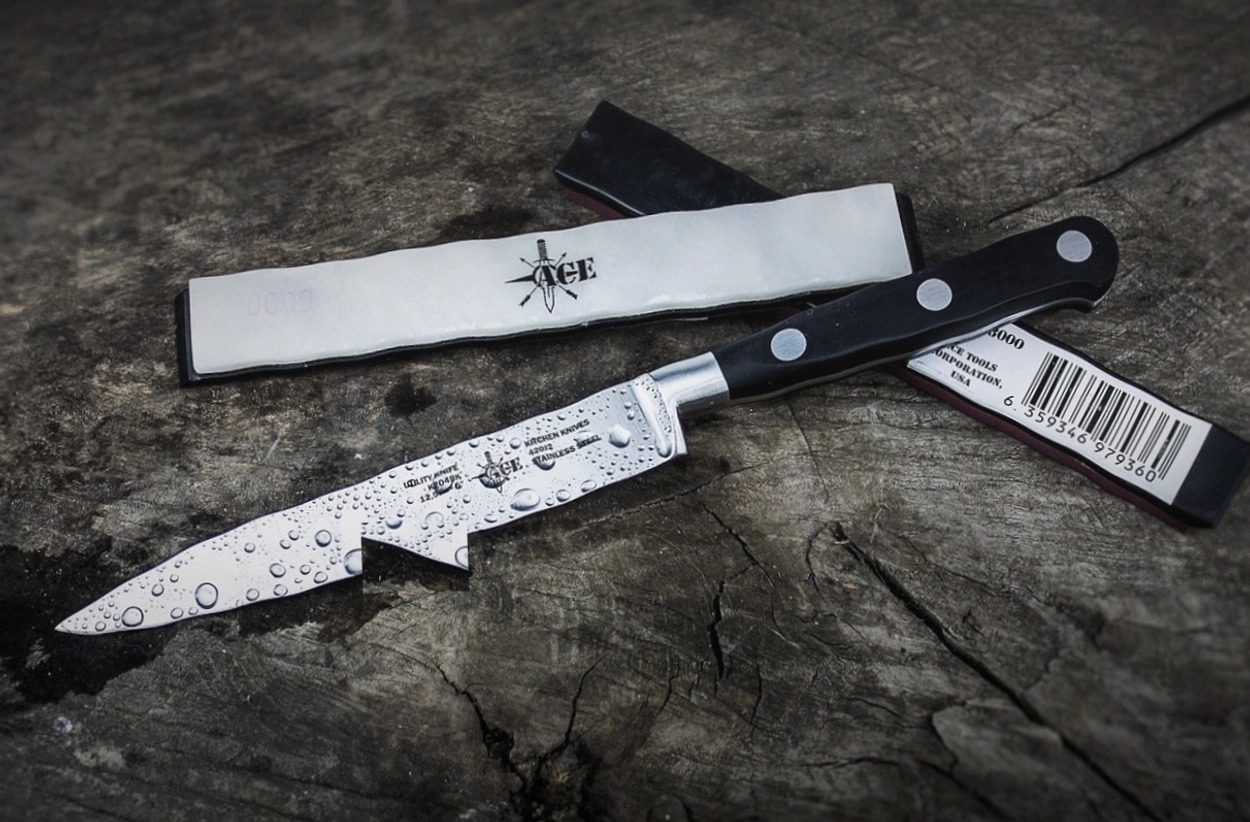
The damage almost never comes from the steel. It comes from the sink, the drawer and the glass board, and it takes about four seconds. Worth a read before you spend NZ$690.
Tell us the blade length, the steel you are leaning towards and what you cook most. We come back within one working day with a firm number and a real delivery date, not a range with a shrug attached to it.