Hand-forged Damascus kitchen knives
Damascus Steel Chef Knife
We stack 1080 and 15N20 steel by hand into a welded billet, then shape a blade that reads like water on the surface and holds a razor edge through a full dinner service. Every knife is ground, heat treated and finished in our Hamilton workshop on Kahikatea Drive, so you can come in and watch the etch pull the pattern out of the steel before we fit the handle.
Overview
What a Damascus blade actually is
Damascus steel is a pattern-welded stack of alternating hard and tough alloys, folded and re-welded until the lines run where you want them. We start with 1080 and 15N20 because they etch to a strong contrast, resist delamination and take a fifteen degree edge without chipping. The finished billet is forged close to shape, normalized three times and then cycled through a controlled austenitizing ramp before an oil quench. What you end up with is a chef knife that looks unlike anything off a production line and holds its edge through daily prep in a working kitchen.
- Core steel 1080 and 15N20 pattern weld
- Hardness 62 to 64 HRC
- Blade length 180 mm to 270 mm
- Handle Stabilised NZ native timber
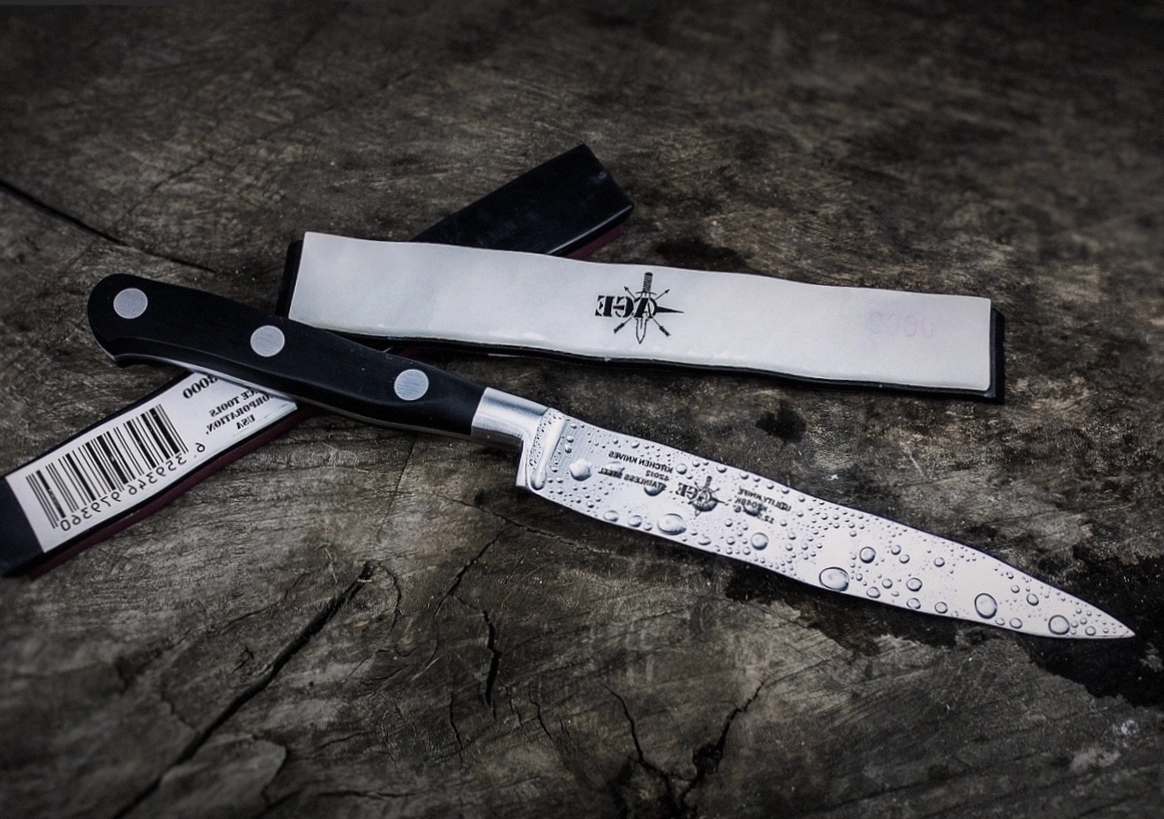
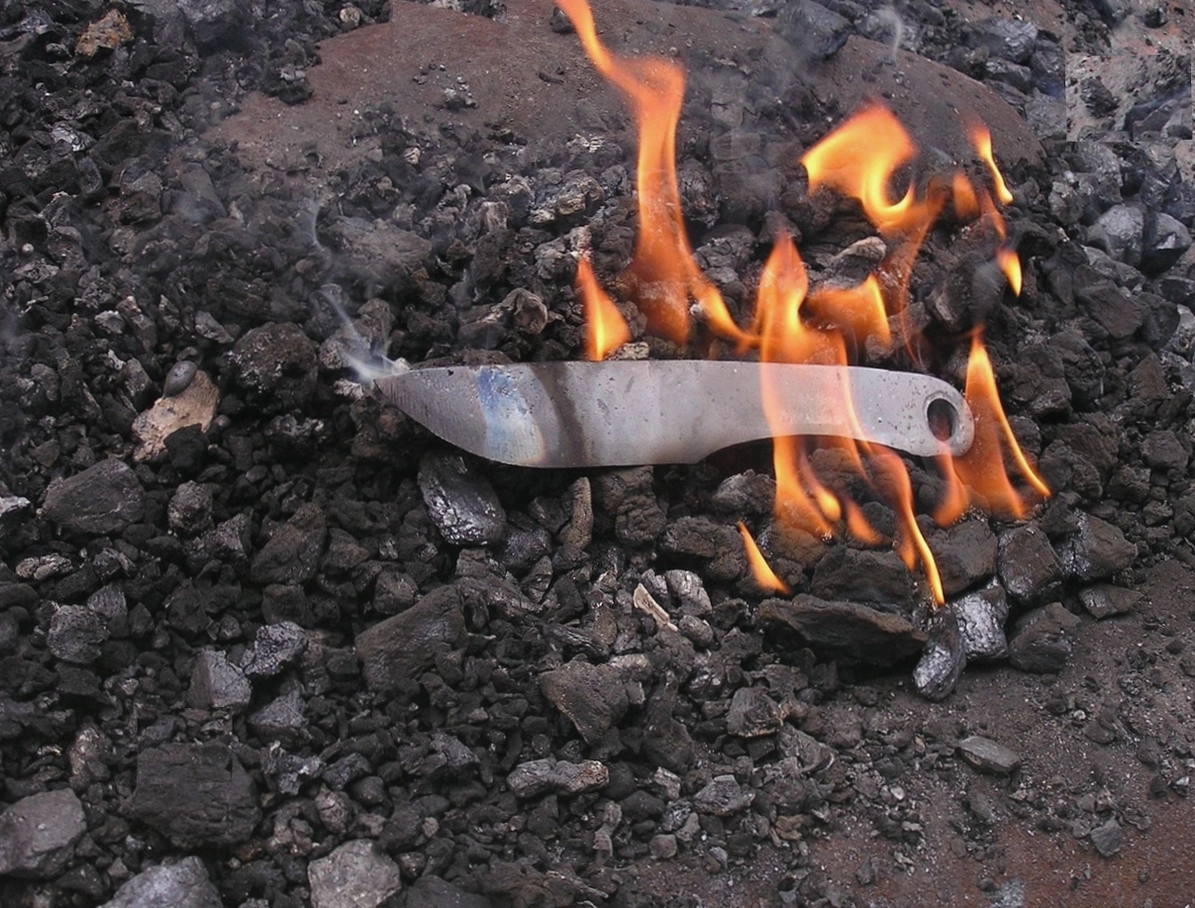
Billets are drawn out by hand at 1180 degrees before the first fold goes in.
The workshop
Where the pattern comes from
Pattern in Damascus is not decoration added at the end. It is the record of every fold, every weld and every planishing pass the billet goes through. We work a stack of forty-eight layers, fold it three times and stretch it once more, which leaves around 184 visible lines at the etch. A ladder pattern comes from a series of shallow cuts across the bar before the final draw. A raindrop comes from dimpling the surface with a rounded punch. If you want a specific look, we will show you sample billets and talk about which pattern suits which blade shape before anything gets struck.
The first time you etch a billet you have spent two days on, and the pattern appears out of the grey sludge, that is when you understand why people still do this by hand. No two bars ever come out the same.
Rewi Kalman
Head bladesmith
Pricing
Three Damascus builds
Every Damascus order is quoted on the pattern, the blade profile and the handle timber you choose. These three builds cover most of what comes through the workshop door, and all of them include a fitted saya and the first sharpening service.
- 180 mm gyuto or 150 mm petty profile
- Simple ladder or raindrop pattern
- Stabilised pine or kauri handle
- One free sharpening in the first year
- 210 mm or 240 mm gyuto, hand-drawn profile
- Custom pattern laid out to your sketch
- Burl or bone handle with a brass bolster
- Two sharpenings and a fitted magnetic saya
- 210 mm gyuto, 150 mm petty and 270 mm sujihiki
- Matching pattern across all three blades
- Hand-matched timber cut from a single board
- Annual sharpening for three years
Quotes are firm once the billet is welded. Add NZ$180 for a left-handed grind, and allow eight to twelve weeks through the Christmas run-up.
Our process
From billet to balance point
Six steps, and you can visit the workshop for two of them. We keep the process open because a knife you helped spec is a knife you actually use.
Consultation and pattern sketch
We sit down with your existing knives, talk about what you cook and what you ask of a blade, then sketch the profile and pick a pattern direction.
Billet weld and draw
Forty-eight layers get stacked, fluxed and welded at 1180 degrees, then drawn out and folded three times before any pattern cuts go in.
Forging and normalizing
The billet is forged close to profile, normalized three times and left overnight for a slow cool that relieves built-up stress in the steel.
Profile grind and hand sanding
Blade geometry is set on the grinder, then taken through five grits by hand until the distal taper and the edge line sit where we want them.
Heat treat and temper
An austenitizing ramp brings the blade up to temperature, an oil quench sets the structure, and two tempering cycles bring it back to 62 to 64 HRC.
Ferric etch and handle fitting
The finished blade is etched in ferric chloride to raise the pattern, then the handle is fitted, glued and sanded to a satin finish over three days.
Gallery
Recent Damascus builds
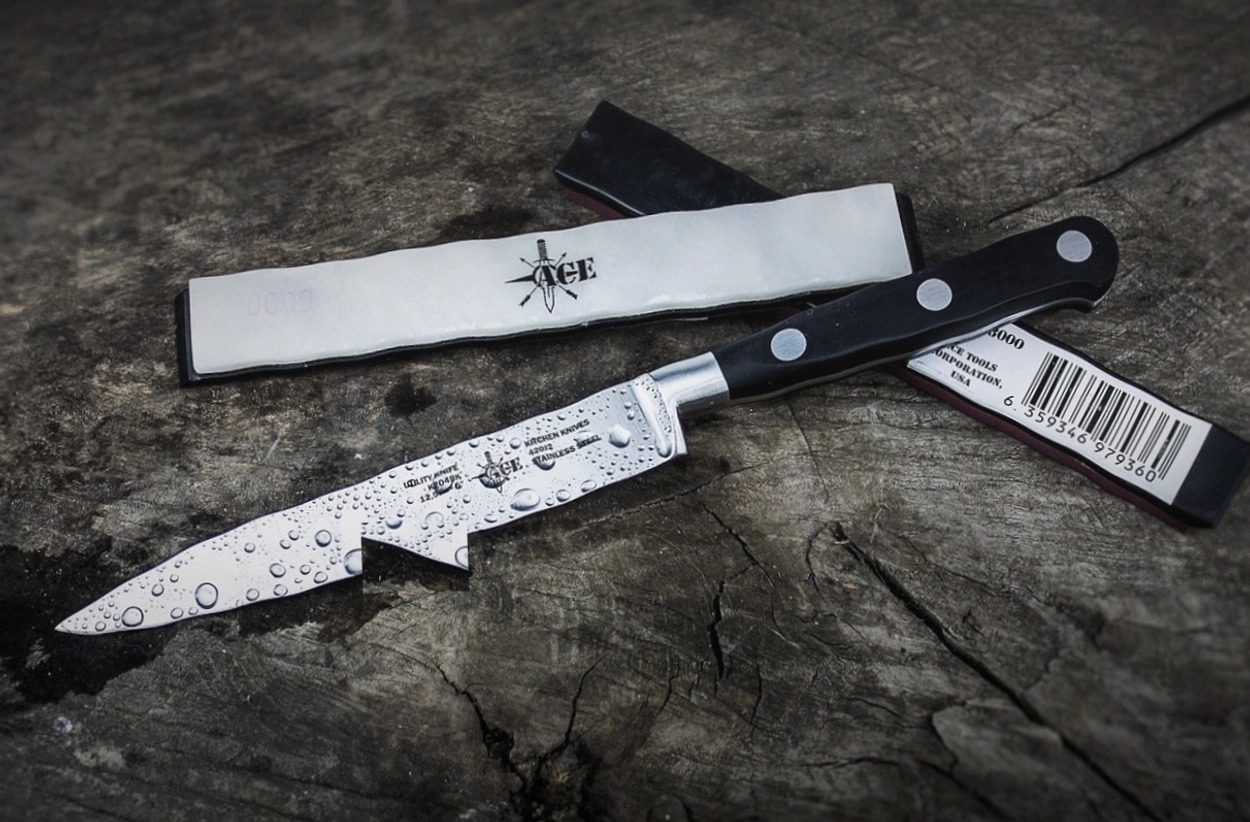
A small selection from the last twelve months. Photographs are taken on the bench, not styled in a studio.
FAQ
Questions we get every week
If your question is not here, send it through the form and we will answer it in plain language.
Start a build
Tell us what you want to cut
Send through the blade shape, the length and any pattern ideas you have. If you are unsure, describe the dinners you cook and we will suggest a profile.
- Phone +64 7 849 3027
- Email bladefoundry@gmail.com
- Workshop 181 Kahikatea Drive, Melville, Hamilton 3206, New Zealand
Ready when you are
Let's weld your first billet
We take a limited number of Damascus orders each quarter so every knife gets the time it needs. Get in touch early if you have a date in mind.