Powder metallurgy kitchen knives
Powder Steel Chef Knife
Powder steel is made by atomizing molten alloy into micro droplets and pressing them into a bar under heat and pressure, which gives us a structure with almost no carbide clumping and far more even hardness across the blade. The payoff is a thin, stable edge that keeps cutting through onions for weeks rather than days. We hand-grind every blade in our Hamilton workshop, run each one through a liquid nitrogen cycle, and log the exact heat treat so you always know what is in your hand.
Overview
Why powder steel behaves differently
A conventional ingot alloy cools from the outside in, and the carbides have time to group into clumps. Those clumps are the weak points that make a hard edge crack. Powder metallurgy sidesteps the problem: the molten steel is sprayed into nitrogen, freezing each droplet into a tiny sphere before the carbides can gather, and the spheres are then hot isostatically pressed into a dense bar. What comes off the far end of the grinder is a blade that will sit at 66 or 67 HRC and still take a twelve degree edge without chipping on a plastic board. It feels different to carbon Damascus, colder and cleaner through protein, and it stays that way for a very long time.
- Core steel R2 and SG2 powder alloys
- Hardness 65 to 67 HRC
- Blade length 135 mm to 300 mm
- Cladding Stainless san mai or nashiji finish
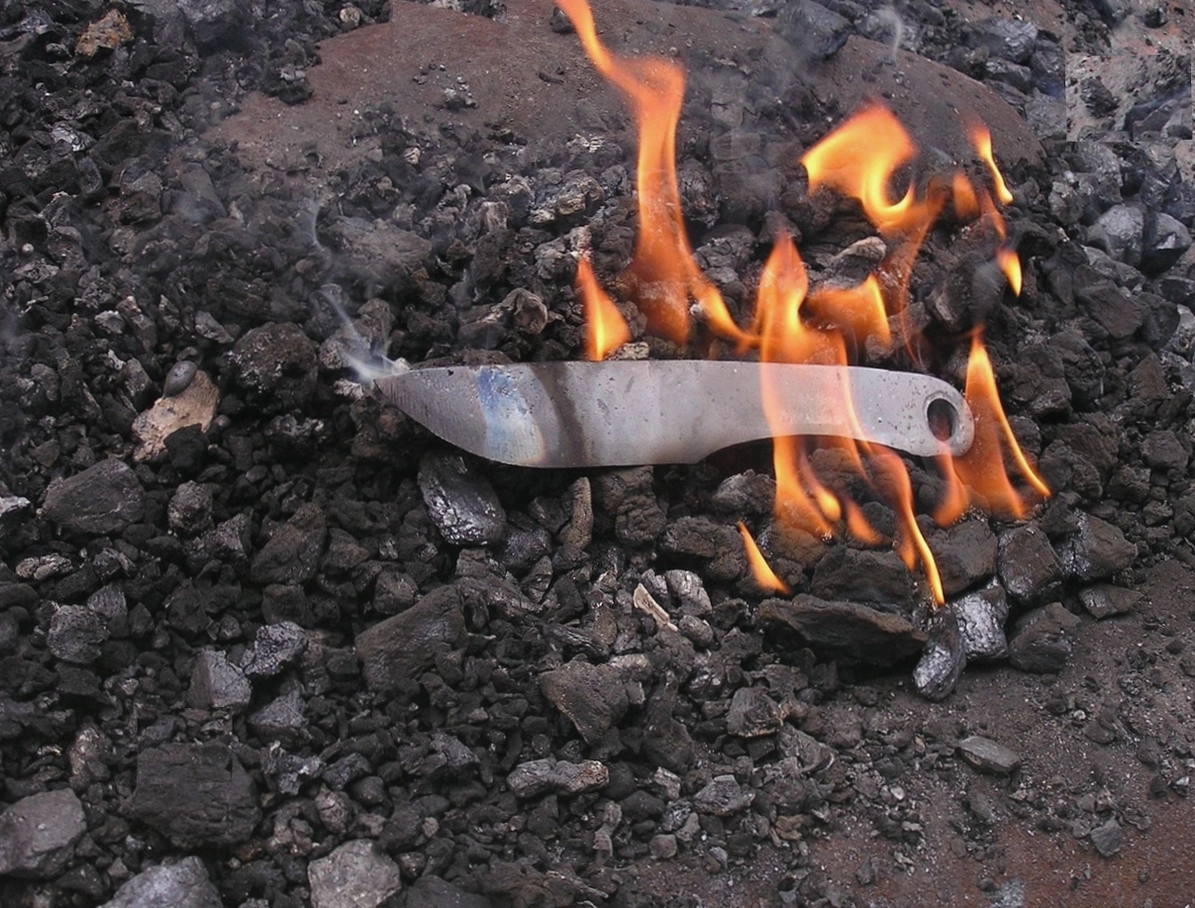
Each bar arrives with a mill certificate and gets a spark test before it goes anywhere near the grinder.
The workshop
Reading the steel before grinding
Powder steel hides its structure well. Two bars can look identical on the bench and grind completely differently, so we spark test every length and log the batch number. If the spark pattern says the carbides are finer than the certificate claims, we adjust the austenitizing schedule rather than push a blade through on a hunch. That is why we keep a heat treat log for every knife that leaves the workshop, and why we can tell you the exact temperature, soak time and tempering cycle your blade went through if you ask years later. It is boring, careful work, and it is the reason a powder steel knife holds an edge the way it does.
People think hardness is the whole story with powder steel. It is not. What matters is how uniform the structure is, because that is what lets you grind a thin edge without it turning into a chipped mess after two weeks in a busy kitchen.
Mara Delaney
Heat treat lead
Pricing
Powder steel builds and options
Powder steel costs more per bar than a pattern-welded stack, so the floor on a finished knife is higher. The three builds below cover most orders, and all of them include a fitted magnetic saya and the first year of servicing.
- 165 mm santoku, thin convex grind
- SG2 core with stainless cladding
- Pakkawood or NZ walnut handle
- Free first sharpening at month six
- 210 mm or 240 mm gyuto, custom profile
- R2 core with hand-finished nashiji cladding
- Stabilised burl handle with horn ferrule
- Four sharpenings across the first two years
- 240 mm gyuto, 180 mm santoku, 150 mm petty, 270 mm sujihiki, 240 mm bread
- Consistent heat treat and grind across the set
- Matching handles cut from one stabilised board
- Quarterly sharpening for five years
Add NZ$240 for a full mirror polish, or NZ$120 to have the spine and choil rounded and relieved. Custom profiles outside the standard range get quoted after the first sketch.
Our process
Six steps from bar to balance
Powder steel is less forgiving than carbon, so the process is more about control than drama. Here is how a bar becomes a knife you can use for years.
Specification and steel selection
We match the core alloy to how you cut, pick the clad or nashiji finish, and settle on the profile length and handle timber before any cutting starts.
Bar cut and blank profiling
The bar is cut to length, squared on the surface grinder and profiled on the bandsaw, with the tang shape roughed in and the spine line marked for later relief.
Water jet and rough grind
The rough bevel comes in on the platen at 120 grit, and the blade is straightened between every two passes so the blank has no memory bend before the fine work starts.
Austenitize and plate quench
The blade ramps to 1150 degrees in a controlled kiln, is quenched between two aluminium plates, then soaked in liquid nitrogen at minus 196 to convert retained austenite.
Temper and hardness check
Two tempering cycles at 180 degrees bring the structure back to 65 to 67 HRC, and each blade is tested on the hardness tester before it moves forward.
Finish grind and handle fit
The blade gets its final thin edge by hand, the handle is fitted and glued over three days, and the whole knife is buffed, etched where wanted and sharpened ready to cut.
Gallery
Powder steel from the bench
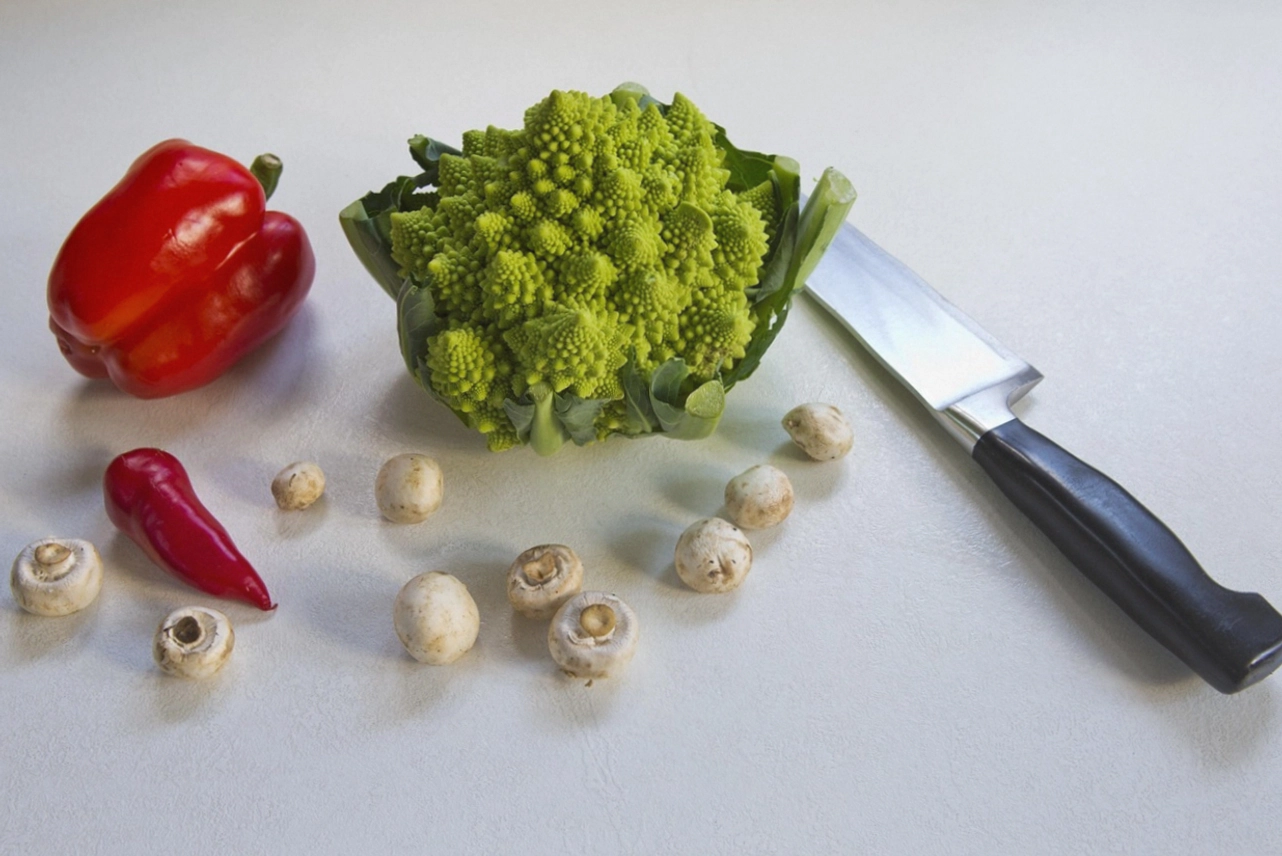
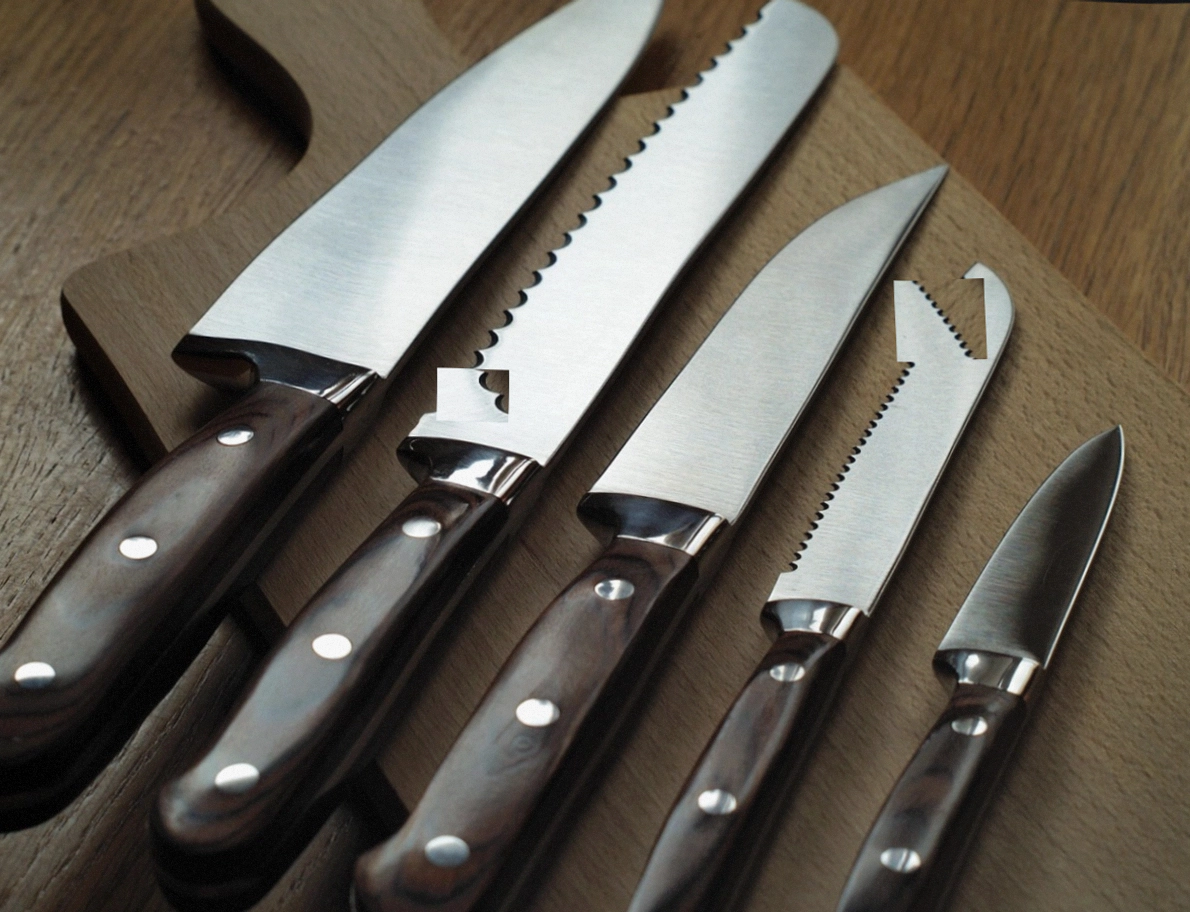
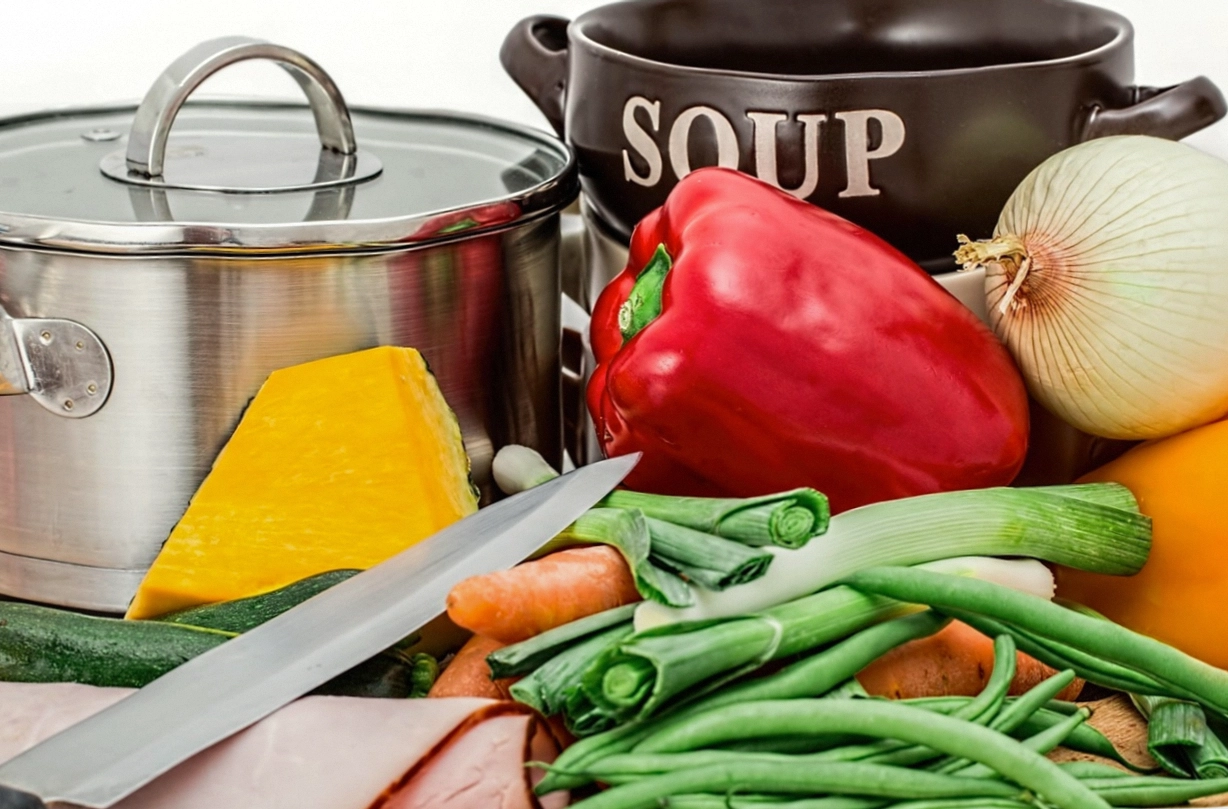
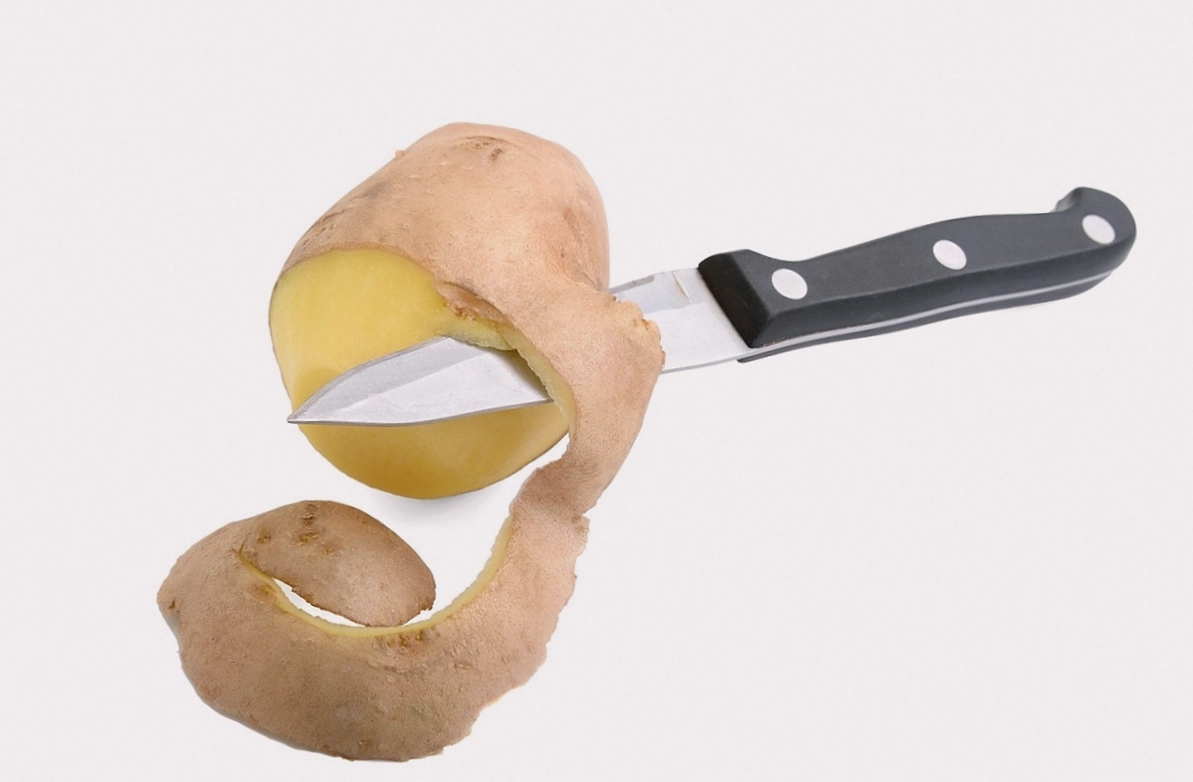
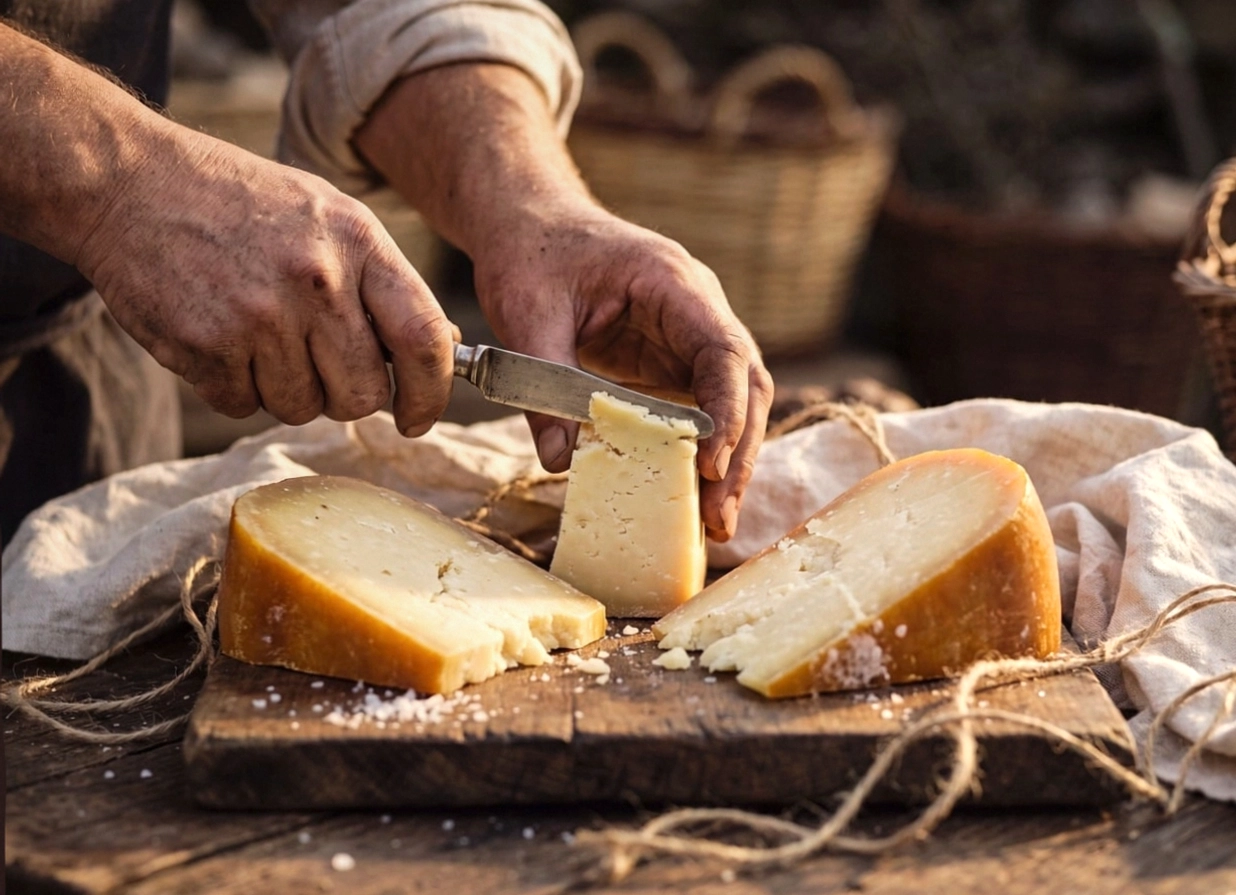
A cross section of recent commissions. All blades shown were ground and finished by hand in Hamilton.
FAQ
Powder steel answered
Straight answers to the things customers actually ask before ordering.
Start a build
Spec your powder steel blade
Send through the profile you want, how you cook and any preference on finish or handle timber. We reply within two working days with a sketch and a firm price.
- Ring the bench +64 7 849 3027
- Write to the makers bladefoundry@gmail.com
- Where the forge sits 181 Kahikatea Drive, Melville, Hamilton 3206, New Zealand
Ready when you are
Grind the edge you have been missing
Powder steel slots are limited because each blade gets an individual heat treat cycle. Get in touch to hold a place in the next queue.