Home / About

BladeFoundry: a Hamilton workshop built on steel

BladeFoundry has been forging chef knives in Hamilton since 2011, working Damascus and powder steel by hand for cooks and chefs across New Zealand.

01 How it started

It began because a cheap knife fell apart in the middle of dinner

In 2010 a stamped stainless chef knife split at the bolster while someone was breaking down a chicken. That cracked handle ended up on a bench in a Hamilton garage with a small gas forge and a very optimistic first billet. The first twenty blades were bad. Some were too soft, some cracked in the quench, and one came out of the temper warped enough to use as a bottle opener.

By 2011 the process had settled into something repeatable, and the order list started filling from people at the local market. Since then we have moved to a proper workshop on Kahikatea Drive in Melville, added a second person at the grinder, and stopped counting somewhere past 1,480 finished knives. The approach has not changed much: forge or cut the blade, treat the steel properly, then spend far longer on the finish than looks sensible from the outside.
02 — The people

Two makers, no sales team, no middle layer

Melville, Hamilton
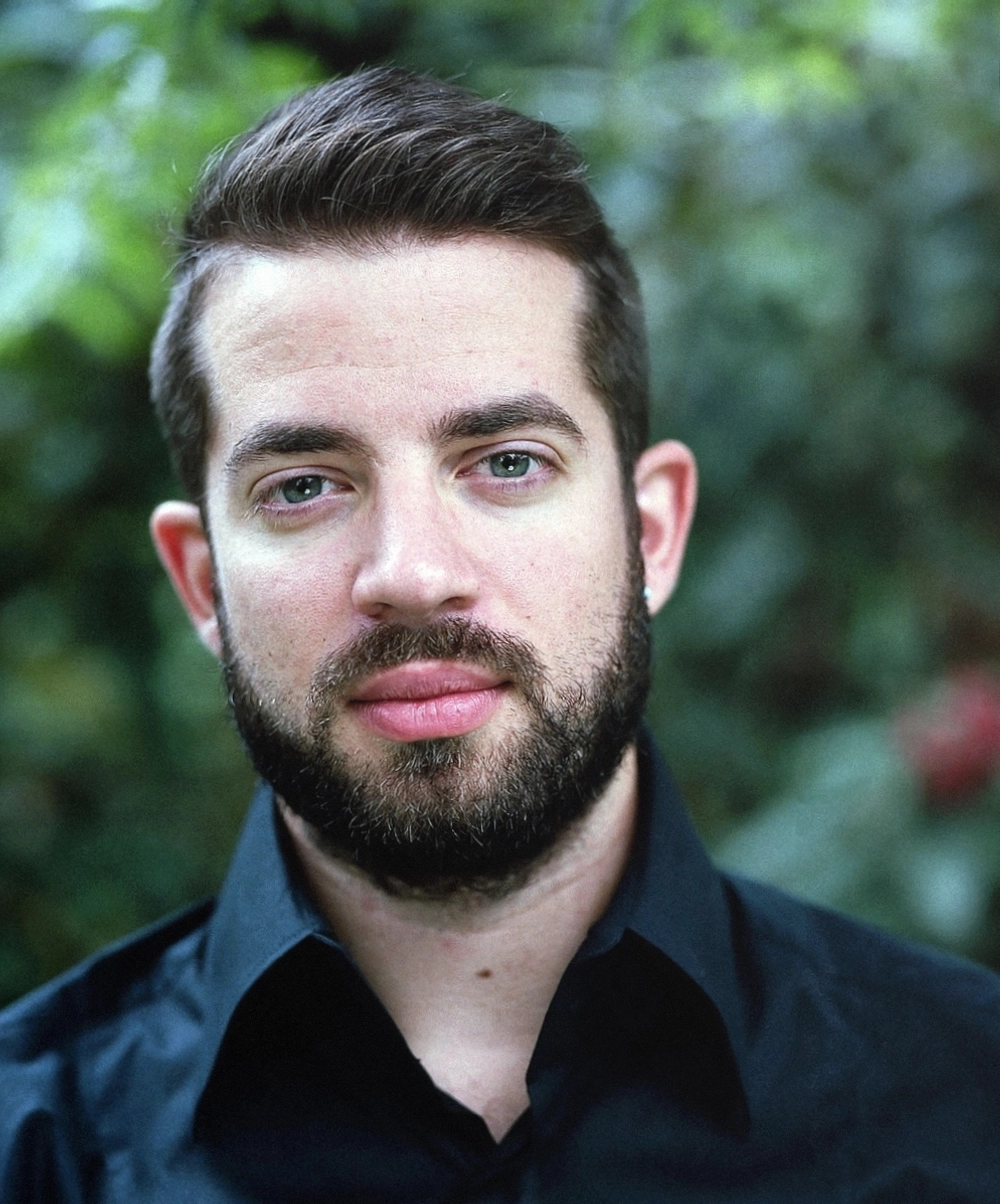
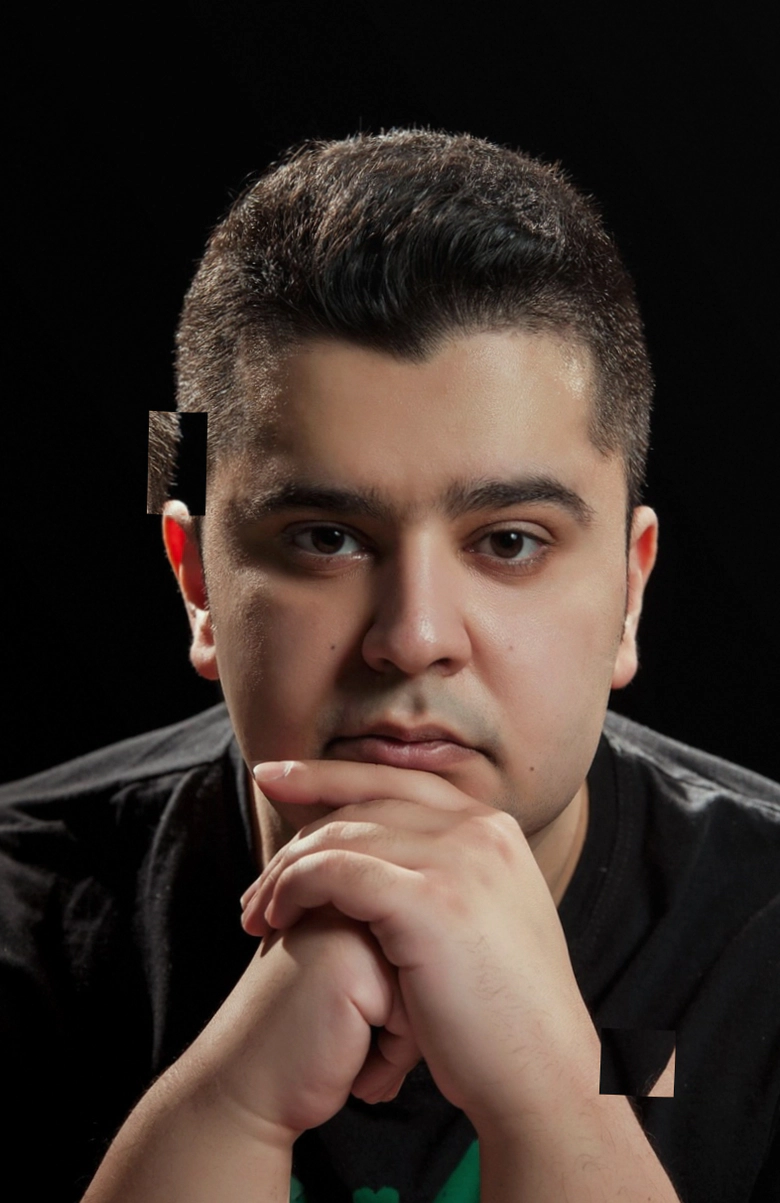
Callum MacGregor at the forge

Callum MacGregor

Founder, bladesmith

Callum spent eleven years as a line cook in Wellington and Auckland before the forge became a full-time job. He does the forging, the heat treatment and every hardness check. Anyone who commissions a knife will end up talking to him directly, usually about the balance point and the handle length.

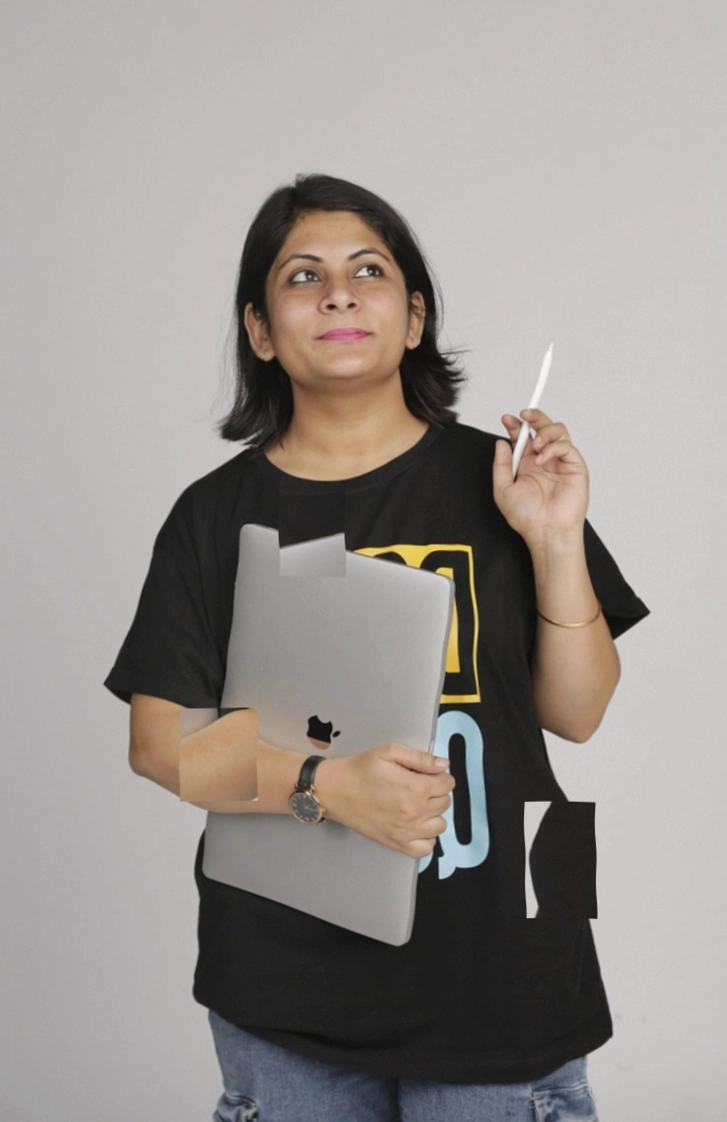
Rangi Tuilagi finishing a blade on the belt grinder

Rangi Tuilagi

Grinder, handles and finish

Rangi joined in 2016 and took over the grind room and handle work. He is the reason the spines come out rounded rather than sharp, and the reason every set that leaves the workshop has matched timber. He also does the sharpening service on Fridays, which is the busiest day of the week.

03 — By the numbers

Fourteen years of steel and stubbornness

Most makers we know have either gone fully machine-made or gone boutique and stopped taking orders. We sit in the middle: small enough that the person forging your blade is the person answering your email, large enough that the workshop has proper equipment and the process is documented rather than improvised.

1,480+
finished knives since 2011
14 yrs
at the same bench on Kahikatea Drive
9 / week
average output, deliberately capped
312
billets of Damascus folded by hand
04 — What we make

Two lines, both built the same way

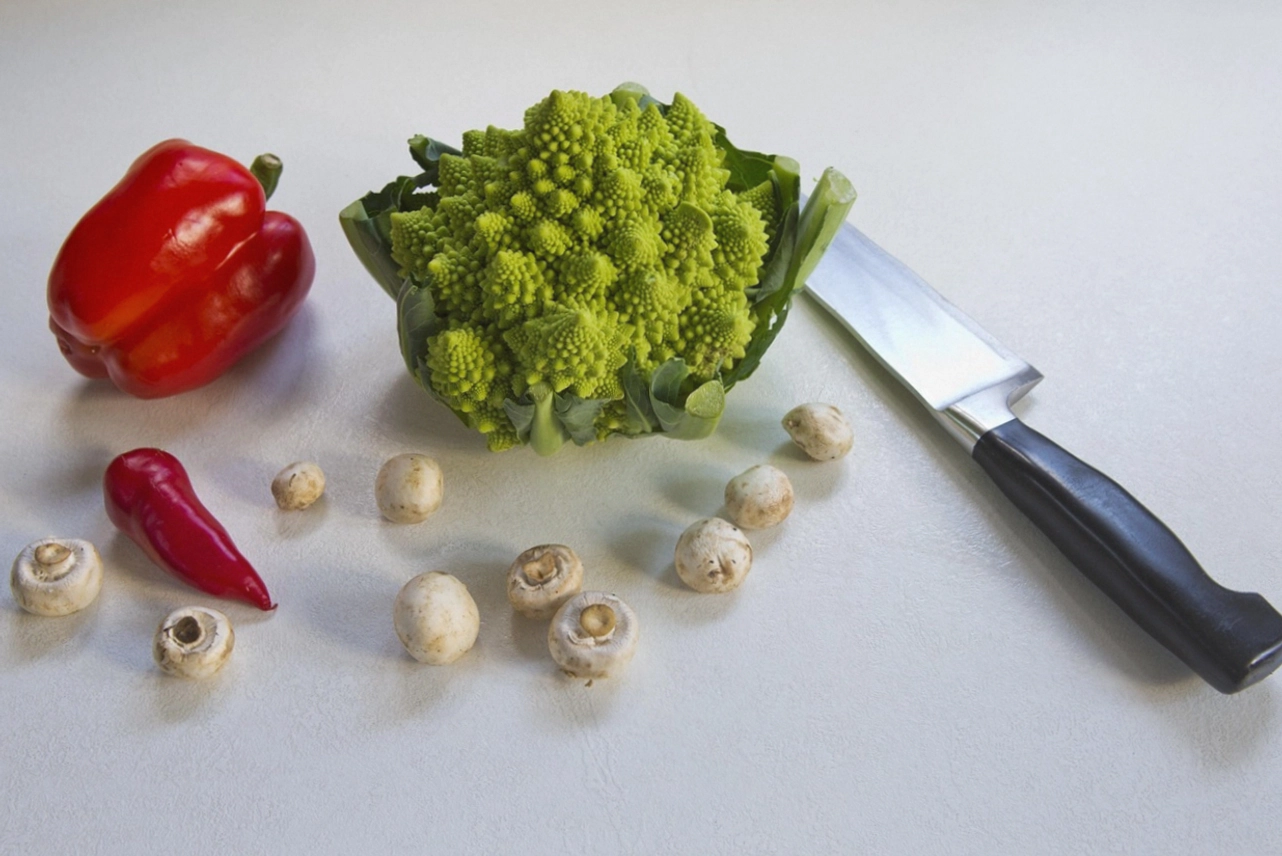
Damascus steel chef knife with a bold patterned blade A

Damascus Steel Chef Knife

Folded 1084 and 15N20, usually somewhere between 180 and 320 layers. The pattern is a by-product of the fold, not an etch, and the core sits at 60 HRC after two tempering cycles. Made for cooks who want a knife that looks like something and cuts like it too.

See the Damascus knife
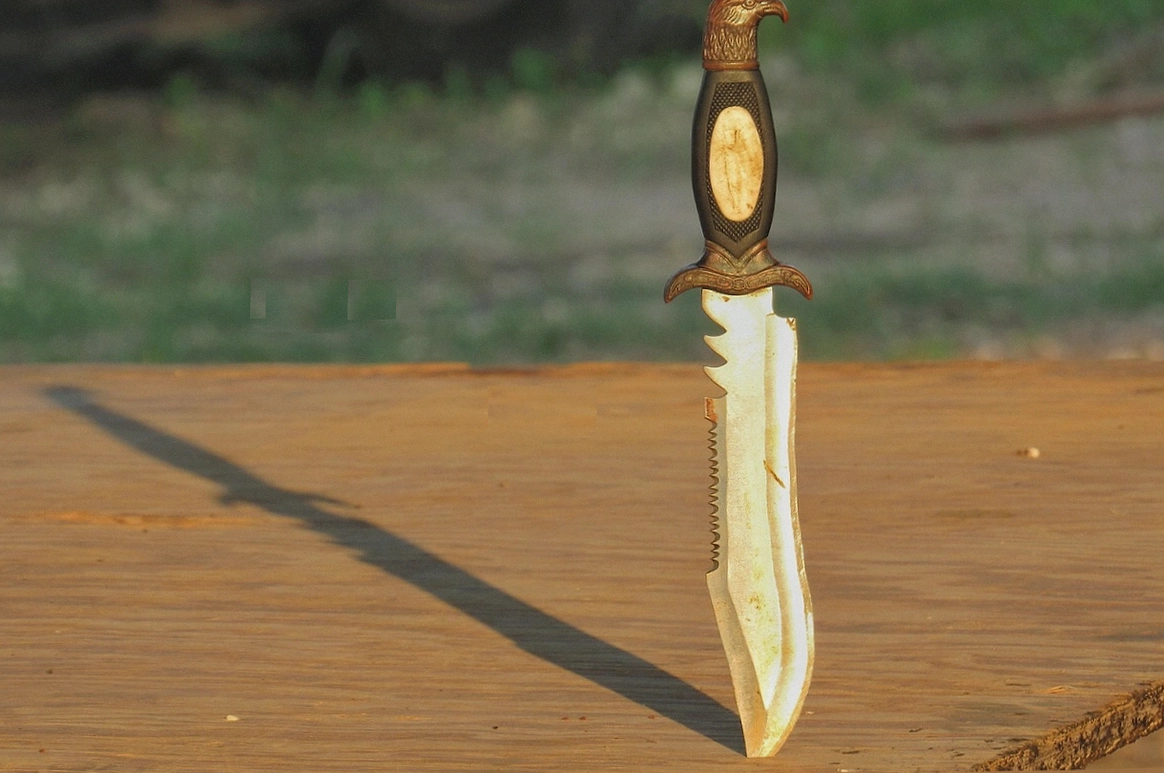
Powder steel chef knife with a fine satin blade

Powder Steel Chef Knife

R2 powder metal at 63 HRC with a very fine carbide structure. Takes a surgical polish and holds it through a full shift on the board. This is what most of the working chefs in Hamilton order.

See the powder steel knife
Sharpening and repairs

Reprofiling, thinning behind the edge and stone sharpening for knives we did not make. NZ$45 for a standard chef knife, NZ$70 over 240mm.

Rehandling

New scales in stabilised hardwood or micarta, shaped to your grip. NZ$180 plus materials, and we keep the original blade profile.

05 — The method

Why the finish takes longer than the forging

A blade can be forged in ninety minutes and then sit on the stones for six hours. That ratio surprises people. The thinning behind the edge, the spine rounding, the removal of every deep grind mark with progressively finer belts, then hand stones from 400 up to 6000 grit: that is where the knife becomes pleasant instead of merely sharp.

Heat treatment is the other half of it. Every blade gets a triple normalise, a controlled soak, an oil or plate quench, a straightening while still warm, then two tempering cycles with a Rockwell check in between. We write the numbers on a batch card and keep the card.

  • Hardening Triple normalise, then soak at 1080°C for R2, 815°C for Damascus
  • Tempering Two cycles, 90 minutes each, checked between
  • Edge angle 15° per side on gyuto, 12° on petty knives
  • Finish Belt to 800, then hand stones to 6000 grit
  • Handles Macrocarpa, rimu and black maire, stabilised in-house for Waikato humidity
  • Testing Every knife cooks in our own kitchen for a week before it leaves
Typical lead time 5 – 8 weeks
06 — Around the workshop

What a normal week looks like here

07 — What people tell us

Feedback from the bench side of things

I asked for a knife that felt light at the front because I do a lot of vegetable prep and get wrist strain. They built the grind so the balance sits behind the bolster instead of dead centre. Four years on, no wrist pain.

Megan Brightwell
Megan Brightwell Cafe owner, Hamilton East

Sent them a set of four knives from a commercial kitchen and got them all back thinner and sharper than new. The batch card with the angles written on it was a nice touch, told me exactly what to sharpen at.

Sione Faletau
Sione Faletau Kitchen manager, Frankton

Visited the workshop before ordering and got to feel the steel billets and see how the pattern forms. That is unusual these days. Ordered a matched pair for the kitchen and they arrive with a numbered card each.

Ellie van der Berg
Ellie van der Berg Customer, Cambridge
08 — From the blog

More detail, written from the bench

All articles
A kitchen knife with a chip in the edge on a cutting board
Care

What Actually Ruins a Kitchen Knife

Fourteen years of repairs have shown the same handful of patterns over and over. Almost none of them are the steel's fault, and nearly all of them happen in four seconds.

Read it
09 — Come by

The workshop door is open if you want to see it before you order

BladeFoundry is at 181 Kahikatea Drive in Melville, Hamilton. We are here Monday to Friday from 8:00 to 17:30 and Saturday mornings by appointment. Bring a knife you already enjoy using and we will measure it, so the next one feels like it was built around your hand. Give us a ring first on +64 7 849 3027 so nobody is out the back with the quench tank. Pricing for every commission lives on our price page, and the full contact details are on the contacts page.